Product Description
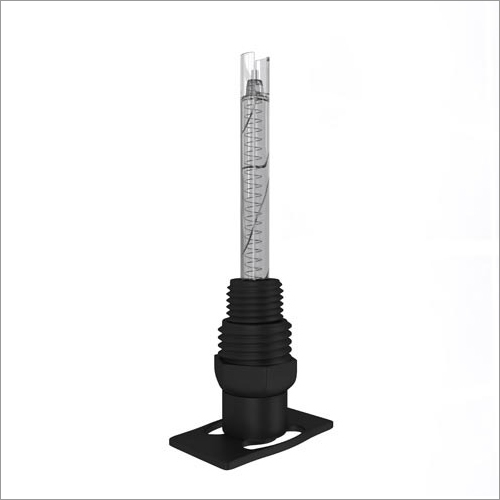
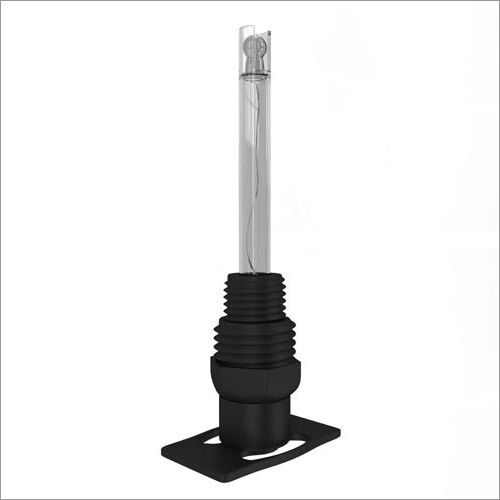
Over the years of dedication, we are an eminent manufacturer of Aster ORP Sensor in the market. It has an individual high & low set point relay for alarm or signal to PLC or can be used for proportional acid/alkali dosing. It also has programmable control delay time to prevent chattering. Hysterisis to prevent relay chattering hysterisis is the percentage of set point below/above which relay will reset after getting energized. Aster ORP Sensor can be availed from us at highly reasonable prices.
Robust Industrial DesignThe Aster ORP Sensor is built with a durable metal body, achieving an IP67 waterproof rating to withstand harsh industrial conditions. Its compact size (120mm length, 12mm diameter) allows for convenient installation, particularly in submersible applications. The sensors 3-meter cable and BNC connector offer flexible integration into diverse systems.
Exceptional Accuracy & Fast ResponseEngineered to deliver 2mV accuracy and rapid measurement responses of under 10 seconds, this sensor excels in monitoring redox potential, making it perfect for industrial applications where measurement speed and precision are critical. The analog output streamlines connection to standard instrumentation.
Wide Application RangeSupporting a pH range from 0 to 14 and temperatures between 0C and 60C, this ORP sensor can be utilized in a variety of industrial water treatment, process control, and laboratory settings. Its reliable measurement of redox potential enhances system safety and monitoring capabilities.
FAQs of Aster ORP Sensor:
Q: How is the Aster ORP Sensor installed for industrial applications?
A: The sensor is designed for submersible installation, allowing direct immersion into process streams or water tanks. Its compact body and 3-meter cable make it straightforward to position within industrial systems, and the BNC connector simplifies electrical integration.
Q: What benefits does the platinum electrode provide for ORP measurement?
A: A platinum electrode offers high chemical stability and responsiveness, ensuring accurate and reliable redox potential readings. It is suitable for diverse industrial environments, delivering consistent performance across a wide pH range.
Q: When should the ORP sensor be calibrated or maintained?
A: Regular calibration is recommended to maintain measurement accuracy, especially when used in environments with fluctuating temperatures or solution properties. Cleaning the electrode periodically and following manufacturer guidelines will extend sensor life.
Q: Where can the Aster ORP Sensor be utilized?
A: It is suitable for installation in industrial water treatment facilities, process monitoring setups, and laboratory research environments. Its IP67 rating ensures reliable operation even in wet or challenging areas.
Q: What is the process for connecting the ORP sensor to monitoring equipment?
A: Connect the sensors BNC connector to compatible analog input devices. Ensure the system operates at 5V DC and that the cable length of 3 meters is adequate for your setup. Analog output allows straightforward integration with standard controllers or display units.
Q: How does the sensor perform across different pH and temperature conditions?
A: The Aster ORP Sensor functions optimally within a pH range of 0 to 14 and an operating temperature of 0C to 60C. Its compensated temperature feature ensures accurate readings even when solution temperatures fluctuate.
Q: What are the advantages of using a waterproof, submersible ORP sensor?
A: With an IP67 rating and submersible installation, this sensor resists moisture, dust, and submersion-related damage. It is suitable for continuous monitoring in industrial liquids, offering robust durability and long-term reliability.





 Send Inquiry





 English
 Spanish
 French
 German
 Italian
 Chinese (Simplified)
 Japanese
 Korean
 Arabic
 Portuguese